3 hours ago
Jonathan Bailey and David Corenswet Reflect on Fame, Franchises, and Queer Visibility in Hollywood
READ TIME: 15 MIN.
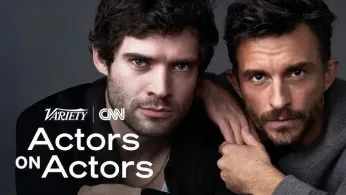
In a new collaborative feature produced by Variety and CNN’s “Actors on Actors,” Jonathan Bailey and David Corenswet sat down to talk about the rapid escalation of their careers and the cultural weight of leading major studio franchises, including Bailey’s role in “Wicked” and Corenswet’s turn as Superman in “Superman: Legacy.” The conversation was followed by an “Off the Set” segment released on CNN’s YouTube channel, where the two reflected on fame, fan expectations, and the personal significance of their casting.
Bailey, who has garnered wide recognition for his work in “Bridgerton” and stage productions in London’s West End, is stepping into the blockbuster musical universe of “Wicked,” joining a cast led by Cynthia Erivo and Ariana Grande in Universal Pictures’ film adaptation. Corenswet, previously known for roles in “The Politician” and “Pearl,” was officially announced by DC Studios as the new Superman in writer-director James Gunn’s “Superman: Legacy,” positioning him at the center of a long-running and globally recognized superhero franchise.
In their joint appearance, Bailey and Corenswet discussed how stepping into these roles has made them immediate focal points of global attention, particularly as audiences look to them as representatives of broader cultural shifts in Hollywood. Bailey, who is openly gay, has previously spoken about wanting his work to reflect and support LGBTQ+ communities, emphasizing that larger platforms can create space for more affirming portrayals of queer relationships and lives.
Corenswet addressed the expectations attached to playing Superman, a character that has long been treated as a symbol of idealized masculinity and hope across comics, television, and film. In the “Off the Set” discussion, he noted that inhabiting such an iconic role inevitably invites public scrutiny but also offers an opportunity to engage with fans who want superheroes to exist in a more inclusive and socially aware storytelling landscape.
Both actors reflected on being described as “cultural touchpoints,” a phrase that has followed performers attached to major franchises and widely shared magazine features. Bailey’s increased profile has coincided with broader media attention on his public image, including coverage that highlights his status as an out gay actor achieving leading-man visibility in both period romance and large-scale fantasy projects.
For LGBTQ+ audiences, Bailey’s work in projects featuring queer characters and themes has been cited by advocacy organizations as part of a wider trend of more complex and respectful depictions of gay and bisexual men in mainstream series and films. Advocacy groups have noted that when openly LGBTQ+ performers are centered in high-profile studio productions, it can help normalize queer identities for global audiences while also signaling to the industry that casting decisions can be both inclusive and commercially successful.
Although Corenswet has not publicly framed Superman as a specifically queer narrative, his casting comes at a time when DC and other superhero franchises are under renewed scrutiny from LGBTQ+ advocates to include more visible queer and transgender characters in their cinematic universes. Commentary around “Superman: Legacy” has included calls for supporting characters and storylines that reflect the diversity of contemporary audiences, including LGBTQ+ people, people of color, and people with disabilities.
In the CNN “Off the Set” segment, Bailey and Corenswet compared their experiences of sudden fame, noting that social media and constant online commentary amplify every aspect of their careers, from casting announcements to red carpet appearances. Bailey has previously described how increased visibility has made him more aware of the impact his words and roles can have on young LGBTQ+ people, particularly those looking for affirming images of gay and questioning characters and public figures.
LGBTQ+ advocacy organizations have consistently highlighted that seeing openly queer actors thriving in major franchises can be especially meaningful for young transgender people, non-binary people, and other marginalized members of the community who may rarely see themselves reflected in blockbuster media. Groups such as GLAAD and the Human Rights Campaign have encouraged studios to treat this kind of casting as a starting point for deeper structural changes, including hiring more LGBTQ+ writers, directors, and producers.
For Bailey and Corenswet, the intersection of celebrity, franchise storytelling, and LGBTQ+ visibility forms part of an ongoing conversation rather than a single moment. Their recent dialogue illustrates how major studio roles can open space for nuanced discussions about identity, responsibility, and the evolving expectations placed on actors whose work reaches global audiences that include queer and transgender people seeking affirming representation.